Are you wondering when your Dutch Island home will get the most eyes and the best response? Picking the right launch window can boost showings, shorten days on market, and set you up for stronger offers. Selling on a private, waterfront island near Savannah adds a few timing twists, from tides and hurricane season to out‑of‑town buyer cycles. In this guide, you’ll learn the best months to list, a practical prep timeline, and the marketing moves that maximize exposure on Dutch Island. Let’s dive in.
Best months to list on Dutch Island
Dutch Island follows broader coastal Georgia patterns, with buyer activity concentrated in spring and early summer. Inventory is usually limited on the island, so a well‑presented listing can perform in multiple seasons. Still, timing your launch around peak visibility helps.
Spring window (March to May)
This is the most reliable season for high buyer search activity and showings. Many coastal buyers shop early in the year so they can close and enjoy the summer. For maximum exposure, aim to go live in late March through mid‑April. That timing gives you several weeks of showings as demand peaks and sets up a late spring or early summer closing.
Key benefits in spring:
- Strong online search volume and in‑person touring.
- Landscaping and outdoor spaces show well as everything greens up.
- Waterfront features and dock access are easy for buyers to assess.
Early summer (June to early July)
Early summer can still deliver strong traffic, especially for second‑home and relocation buyers targeting summer occupancy. June is often productive if your pricing and presentation are dialed in.
Considerations for early summer:
- Activity can taper by late June into July as many households travel.
- Competing inventory may increase, which makes pricing accuracy critical.
Late summer and fall (August to October)
You may face fewer competing listings, which can help a standout property shine. However, this period overlaps the most active stretch of Atlantic hurricane season. That can affect showing schedules and buyer urgency.
When late summer or fall can work:
- You have a move‑in‑ready home priced to current comp data.
- You can stay flexible around weather and insurance questions.
- You want to take advantage of lower competition.
Winter (November to February)
Overall traffic is lower, but serious buyers remain in circulation. Relocators, retirees, and remote workers often shop year‑round. If you prefer a quieter showing schedule or have a firm timeline, winter can be a strategic option.
Best fits for winter:
- You need fewer showings with more motivated prospects.
- You want to avoid prepping in spring.
- Your home photographs well even without peak landscaping.
How local factors shape timing
Dutch Island’s gated, waterfront lifestyle shapes how and when buyers engage. Keeping these local drivers in mind helps you choose the right launch window.
Waterfront features and visuals
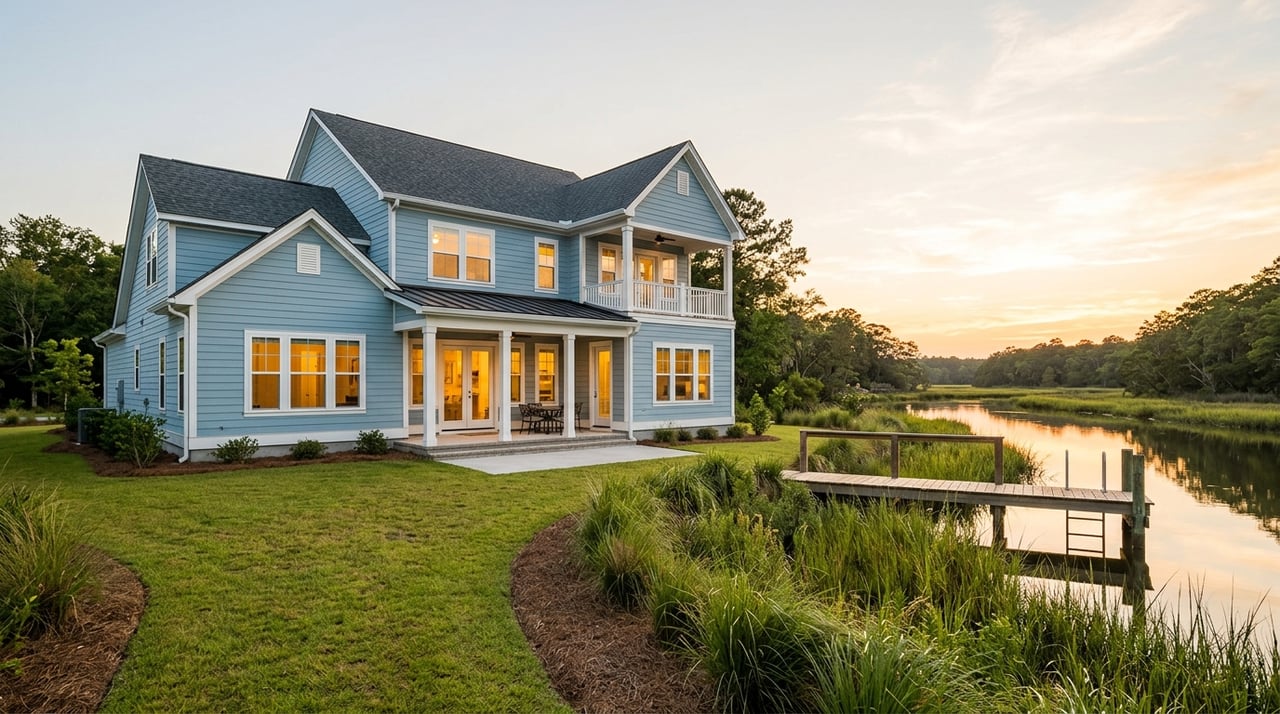
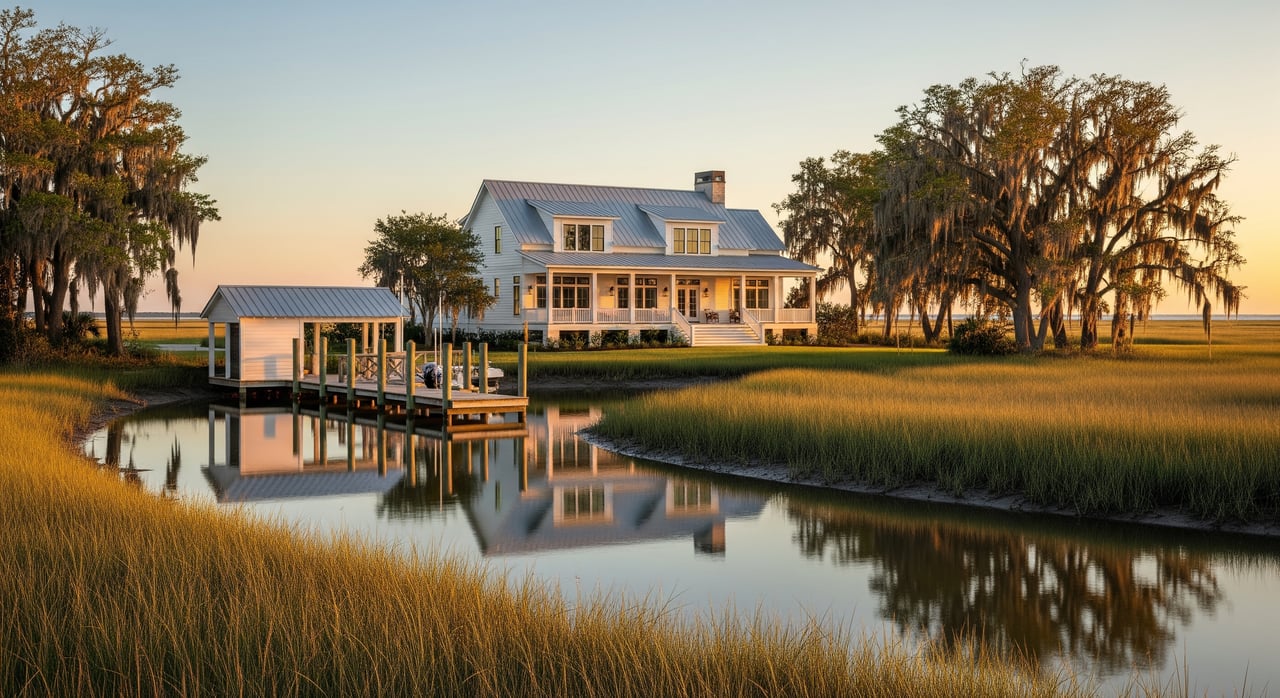
Buyers want to experience docks, marsh views, sunsets, and water access. Listings that showcase these features during pleasant weather can get more traction. Photography timed to high tide and golden hour highlights what makes island living compelling.
Hurricane season and predictability
Hurricane season runs June 1 through November 30, with elevated risk in August through October. If you want predictable schedules and minimal weather disruptions, spring or early summer is best. If you must list during the peak risk months, build in flexible timing and prepare clear documentation on maintenance, insurance, and any recent improvements.
Buyer profiles and demand drivers
You will see a mix of local professionals who commute to Savannah, downsizers and retirees, and second‑home buyers. Interest rates, local employment trends, commute costs, and the limited supply of comparable waterfront homes influence activity. In a small micro‑market like Dutch Island, a single standout listing can shift the balance, which makes presentation and pricing even more important.
Backwards timeline to hit peak exposure
If you want an early April launch, start now and work backwards. Use this timeline as a planning guide.
8 to 12+ weeks out: repairs and permits
- Major repairs or upgrades: roof, HVAC, dock or seawall work, and moisture mitigation. Coastal homes benefit from proactive maintenance, especially on docks and exterior metals that see salt‑air exposure.
- Get contractor bids and permits early, since schedules tighten in spring.
4 to 6 weeks out: cosmetic prep and staging
- Interior paint touch‑ups, carpet refresh, deep cleaning, and decluttering.
- Book staging or a consult to align spaces with your target buyer.
- Finalize a preliminary price range based on recent comparables and days on market trends from the Savannah MLS.
2 to 4 weeks out: exterior polish and inspections
- Landscaping and power washing to boost curb and waterfront appeal.
- Pre‑listing inspections where helpful: termite and wood‑destroying insects, roof, HVAC, and septic if applicable. Addressing issues now reduces renegotiation risk later.
- Gather HOA documents and any dock permits or maintenance records buyers may request.
1 to 2 weeks out: photography and listing build
- Schedule professional photos after staging is complete and pick a high‑tide window for waterfront angles. Golden hour or twilight sessions elevate marsh and sunset views.
- Add aerial context with a licensed drone pilot. Confirm HOA and FAA rules before flying.
- If your home shows beautifully from the water, consider boat‑based photography.
- Finalize property remarks, features list, floor plan, and a 3D tour for remote buyers.
Photography and presentation tips for Dutch Island
Quality visuals are essential in a lifestyle‑driven waterfront market, and the right timing can multiply your listing’s impact.
Tides and time of day
- Favor high tide for dock and marsh shots that read as expansive and inviting.
- Use golden hour for warm, natural light and twilight for glowing, lifestyle‑oriented images.
- Capture key sightlines from primary rooms and outdoor living areas.
Drone and boat perspectives
- Aerials show the island setting, lot orientation, and proximity to waterways.
- If allowed, drone video can create an emotional narrative for out‑of‑town buyers.
- Boat photography emphasizes access, views, and the overall coastal experience.
Details that matter
- Highlight recent maintenance on docks, lifts, and seawalls.
- Showcase upgrades that withstand salt air, like marine‑grade fixtures and hardware.
- Include a clear floor plan and a virtual tour for remote decision‑makers.
Go‑to‑market tactics that boost reach
Beyond timing, a strong launch plan can put your listing in front of the right buyers quickly.
Listing day and time strategy
- Go live Tuesday through Thursday, early in the business day, to maximize exposure in new‑listing feeds and tee up weekend showings.
- Host a broker tour soon after launch to gather agent feedback and accelerate buyer traffic.
Pricing strategy by season
- Spring: Price in line with current comparables to capture high traffic and spark quick showings.
- Off‑peak: If inventory is thin, you may benefit from slightly more assertive pricing supported by strong marketing and outreach.
- Waterfront niche: Emphasize unique lifestyle features and offer virtual access for remote buyers who cannot visit immediately.
Marketing mix for Dutch Island
- Professional photography, twilight sets, and aerials tailored to waterfront living.
- 3D tours and floor plans for remote and relocation buyers.
- MLS syndication plus targeted email to local brokers and known waterfront prospects.
- Paid social campaigns targeted to the Savannah metro and likely feeder cities such as Atlanta and Charleston.
- Broker open houses on weekdays and public opens on weekends during peak months.
Showing logistics in a gated community
- Provide clear gate access instructions in the MLS and showing notes.
- Offer flexible showing windows to accommodate out‑of‑town visits.
- Consider a twilight open house to highlight evening views and outdoor living.
When off‑peak timing makes sense
Because Dutch Island is a small, low‑inventory market, the “best” month can vary. Off‑peak seasons can work if you tailor pricing and presentation.
Situations suited to off‑peak listing
- You prefer fewer showings with more motivated prospects.
- Your home offers standout features that are rare on the island.
- Nearby competing inventory is low, giving your listing more visibility.
Risk management during hurricane season
- Prepare for schedule flexibility, including contingency photo dates.
- Have inspection reports, maintenance records, and insurance details ready to answer buyer questions quickly.
- Communicate any recent improvements that reduce maintenance concerns.
What to do next
A successful listing is the product of timing, preparation, and polished marketing. Here is a simple action plan to get started.
- Request a CMA with seasonality insights. Ask for recent comps on Dutch Island and nearby waterfront communities, days on market, and current inventory.
- Lock in key vendors. Book a licensed drone pilot, photographer, and any needed inspectors early, tied to tide and weather windows.
- Address coastal maintenance. Tackle termite prevention, moisture and ventilation checks, dock and seawall upkeep, and salt‑air corrosion on exterior metals.
- Finalize your go‑live date and launch plan. Target a Tuesday to Thursday morning release, schedule a broker tour, and prepare your marketing assets.
If you want a timing strategy tailored to your home, along with boutique‑quality marketing and seamless coordination across the Savannah area, connect with Courtney Heidik. Schedule a Consultation and let’s map your optimal launch window, prep plan, and go‑to‑market strategy.
FAQs
What is the single best month to list on Dutch Island?
- Spring generally offers the highest visibility, with early April often aligning with peak buyer searches, but confirm recent trends with a local CMA since micro‑market shifts on the island can change the sweet spot.
Should I avoid listing during hurricane season in coastal Georgia?
- If possible, yes, especially August through October when risk and uncertainty can disrupt schedules, but a well‑prepared listing with flexible timing can still perform.
How far in advance should I schedule photography for a waterfront home?
- Book 1 to 2 weeks before launch once staging and exterior work are complete, and coordinate for high tide and golden‑hour lighting to showcase docks and marsh views.
Does listing in winter work for Dutch Island sellers?
- It can, since motivated relocators and remote workers are active year‑round, and lower competition may help a standout property attract attention.
What local data should I review before picking a go‑live date?
- Ask your agent for recent Dutch Island comparables, days on market, current inventory, and buyer engagement patterns from MLS and online portal tools to confirm the best timing.