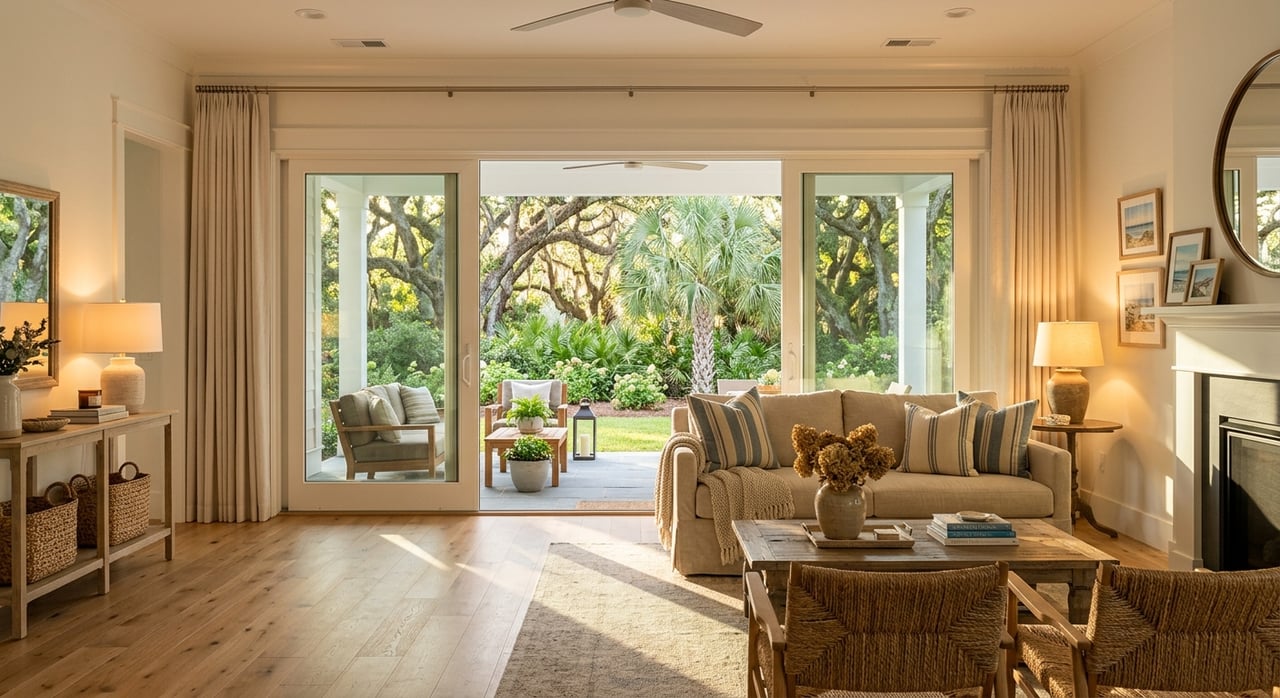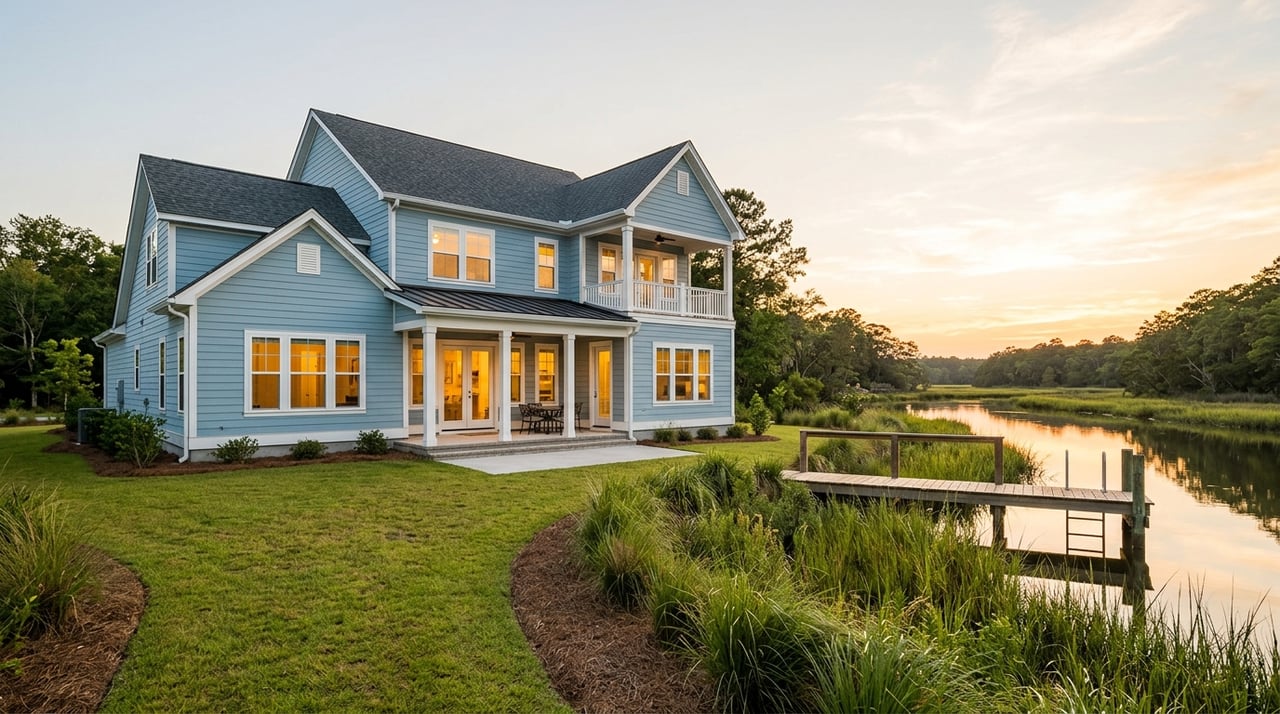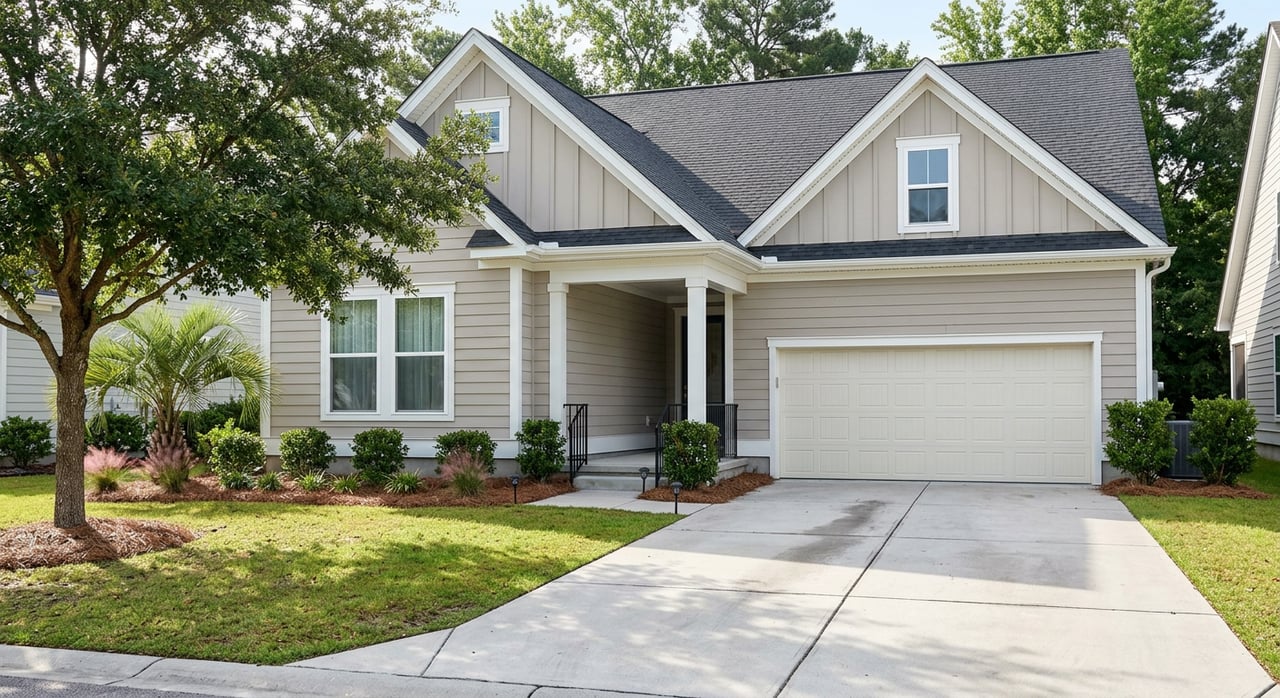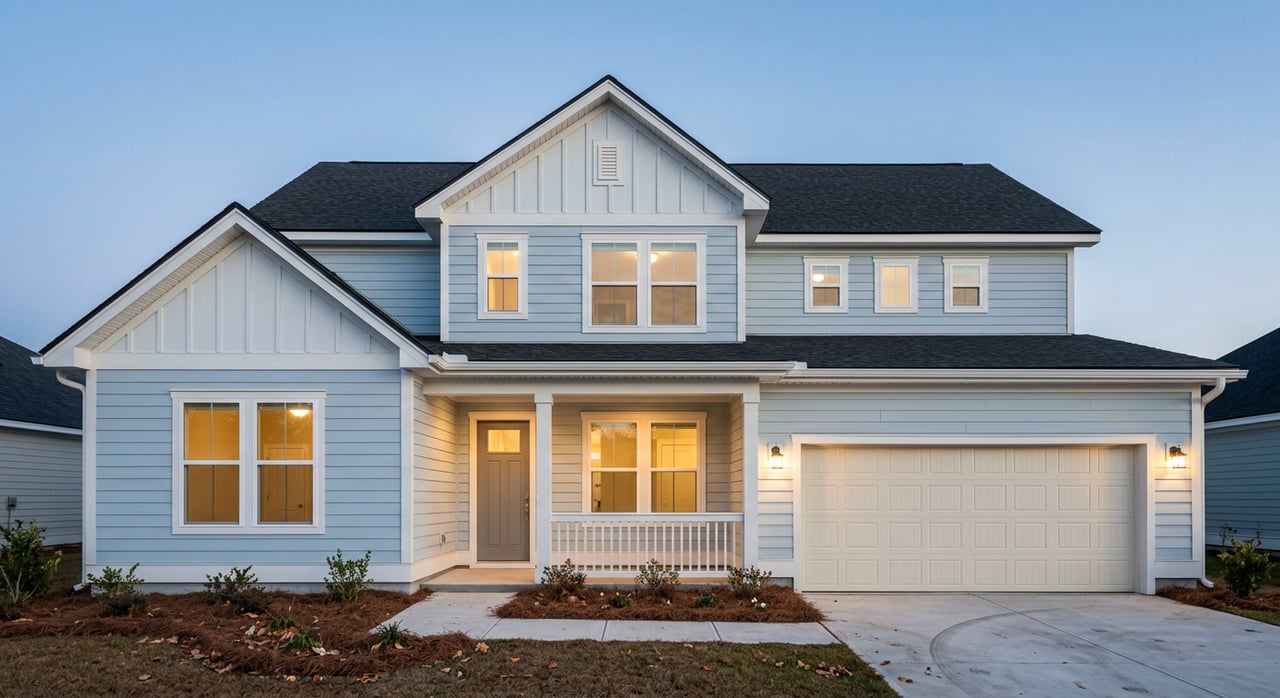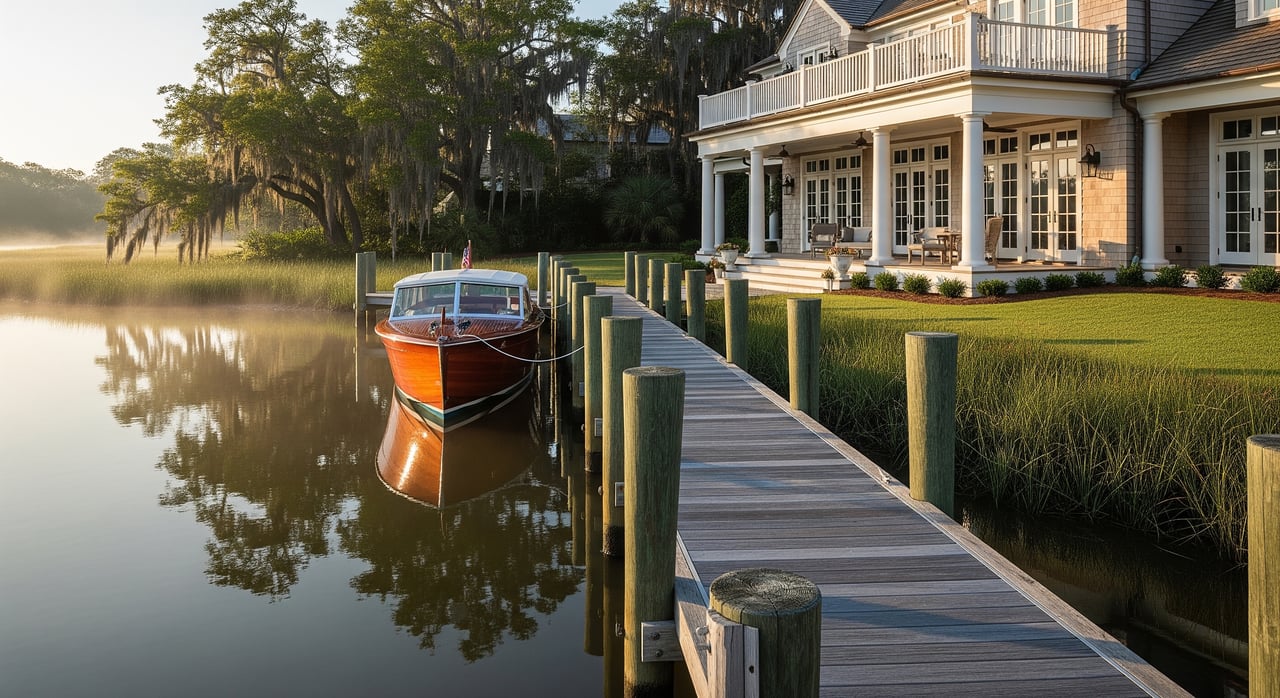
What does an ordinary Tuesday look like when your backyard opens to a tidal creek and wide Lowcountry marsh? If you are curious about Ford Plantation in Bryan County, you are not alone. You want the real rhythm of life, not just a brochure. In this guide, you will see how days flow on the water, which amenities shape your routine, and the key questions to ask before you buy. Let’s dive in.
Morning on the water
Sunrise arrives quietly over the marsh. You sip coffee on a screened porch while egrets and herons work the edges of the creek. On calm mornings, you might slide a kayak in for a short paddle or cast for speckled trout and redfish at first light.
Tides set the pace. You check the tide chart, plan your route, and match your outing to the water depth you expect. Many residents keep a paddleboard or small skiff ready to go for these quick, peaceful starts.
Midday amenities and routines
By late morning, you can meet friends at the clubhouse for lunch or opt for a quick bite before heading out again. Daily life often includes:
- Golf in cooler hours or a range session.
- Tennis or pickleball with neighbors.
- A workout at the fitness center, then pool time in warm months.
- A slow bike ride or walk along community trails.
Expect an active, social calendar anchored by club programming. Amenities are designed for easy, everyday use. Always confirm current offerings, guest policies, and membership details with the community team.
Afternoons and sunsets
Afternoons lean into the water. Small center consoles and bay boats head into nearby creeks for a short cruise or a quick cast. Even if you never pick up a rod, the ride alone is part of the appeal.
Back at home, outdoor kitchens and patios are natural gathering spots. Many evenings end with a simple Lowcountry shrimp or crab boil and unhurried conversation. Sunsets over the marsh bring neighbors outside before community events or a relaxed dinner at the clubhouse.
Seasonal rhythms
Seasons shape how you use the water and the club.
- Summer: More boat days, paddle trips at high tide, longer evenings on the porch, and heavy pool use.
- Fall: Peak inshore fishing, bird migration, and comfortably cool golf and trail time.
- Winter: Mild days for outdoor dining, golf, walking, and porch living without bugs.
- Hurricane season: June through November deserves real planning. Owners often choose elevated construction, shutters or impact windows, generator readiness, and clear evacuation plans. Seasonal king tides can bring nuisance flooding, so you learn the local tide ranges and drainage patterns.
Boating and tides
Water access is central to daily life, even if you keep it simple. Residents commonly use:
- Kayaks and paddleboards for quiet creeks.
- Small powerboats, center consoles, and bay boats for inshore runs.
If your lot includes a private dock or has access to community dockage, quick trips become part of your routine. Not every property has the same water access, so verify deeded dock rights and any marina policies before you buy.
Smart boating here is tide-smart boating. Keep these habits in mind:
- Match boat size to typical depths in the creeks you use.
- Check tide charts and plan your launch and return around water levels.
- Factor in seasonal shifts and wind-driven water that can lower or raise levels.
- Build a habit of local navigation notes, especially on shallow stretches.
Food and nearby outings
You can mix in-community dining with easy trips into town. Richmond Hill provides groceries, pharmacies, and everyday services, while Savannah adds deeper dining, shopping, and cultural options. Typical drives are roughly 20 to 35 minutes into downtown Savannah depending on route and traffic. The Savannah/Hilton Head International Airport is often about 30 to 45 minutes away.
Many residents enjoy farmers markets, local seafood markets, and informal gatherings. It is a social, food-forward culture where the marsh is part of the backdrop.
Buyer checklist for waterfront life
Before you fall for a view, make sure the basics line up. Use this checklist during tours and due diligence:
- Membership: Understand initiation fees, annual dues, and any food or cart minimums. Confirm whether membership is mandatory or tiered for the home you like.
- HOA or POA: Review monthly or annual assessments and the scope of services. Ask about reserves and any pending special assessments.
- ARB guidelines: Study design standards for exterior changes, docks, landscaping, and colors. Know approval timelines.
- Dock rights: Verify deeded dock access for the specific lot. If dock construction or upgrades are planned, expect permitting steps and setbacks.
- Utilities: Confirm county water and sewer versus well and septic. Utility type influences maintenance and permitting.
- Internet and cell: Check providers and speeds at the exact property. Coverage can vary in Lowcountry settings.
- Flood and insurance: Review FEMA flood zone maps and the elevation certificate for the home. Lenders typically require flood insurance in flood zones, and many owners carry policies even outside high-risk areas.
- Resilience and shoreline: Ask about marsh buffers, native landscaping, erosion control, and any conservation easements on or near the lot.
- Permits: Building near wetlands and tidal creeks may involve county and state approvals. Confirm requirements and timelines early.
- Rentals and pets: Review community rules for short-term and long-term rentals, pet limits, and guest policies.
- Schools: Bryan County Schools serve the Richmond Hill area. Always confirm the current school zone for the property you are considering.
Services and access
- Schools: Families in the Richmond Hill area are served by Bryan County Schools, including elementary through high school. Zones can change, so verify for your specific address during the offer period.
- Healthcare: For routine needs, urgent care and clinics operate in Richmond Hill. Major hospitals and specialty care are in Savannah, often a roughly 25 to 40 minute drive depending on location and traffic.
- Groceries and errands: Richmond Hill handles day-to-day shopping and services. Savannah adds larger retail and specialty options.
- Transportation: Daily life here is car-centric. The region’s proximity to Savannah offers access to cultural venues, the regional airport, and port services.
Noise, privacy, and day-to-day feel
Ford Plantation is set up for quiet residential living with active amenities. Privacy is typically strong on marshfront and wooded lots. You can expect a mix of peaceful days balanced with periodic activity near the clubhouse, golf course, or community events.
Make it yours with a local guide
Every waterfront property is unique. Tides, dock rights, elevation, and membership all shape value and daily life. If you want a calm, confident path from discovery to closing, partner with a local advisor who understands Lowcountry nuances and builder processes. When you are ready to explore homes, tour the community, and review key documents like elevation certificates and ARB guidelines, schedule a conversation with Courtney Heidik.
FAQs
Do I need a boat to enjoy Ford Plantation?
- No. Many residents boat often, but you can live fully with golf, clubhouse dining, trails, fitness, and social events.
Are docks guaranteed with waterfront lots?
- Not always. Some lots include dock rights and others require permits or community marina applications. Verify deeded rights for each property.
Is flood insurance required for homes here?
- Lenders typically require flood insurance in FEMA flood zones. Many owners choose coverage even outside high-risk zones due to tidal conditions.
Can I rent my Ford Plantation home short-term?
- Rules vary by community documents. Many private communities restrict short-term rentals. Review CC&Rs and club rules before you buy.
How long is the drive to Savannah and the airport?
- Typical drives are roughly 20 to 35 minutes to downtown Savannah and about 30 to 45 minutes to the regional airport, depending on route and traffic.
What is day-to-day noise and privacy like?
- Lots are planned for privacy, especially along marshfronts and wooded areas. Social calendars and golf traffic can add occasional activity near club venues.