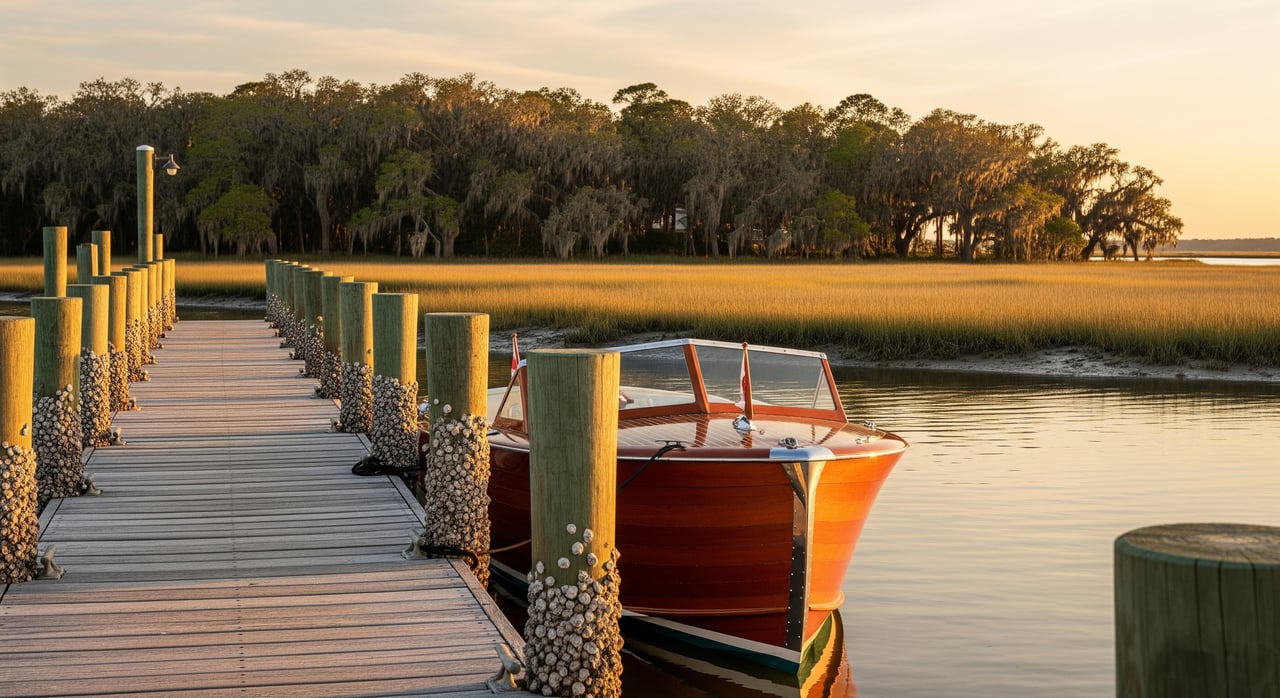
If your perfect day starts on the water, the right home base matters as much as the boat you run. In the Savannah area, many buyers narrow their search to The Ford Plantation in Richmond Hill and Isle of Hope in Savannah. Both offer tidal waterways, private docks, and a strong boating culture, yet the day-to-day experience is very different. In this guide, you’ll compare dock options, marina access, navigation factors, HOA rules, commute realities, and lifestyle fit so you can choose with confidence. Let’s dive in.
Quick community snapshot
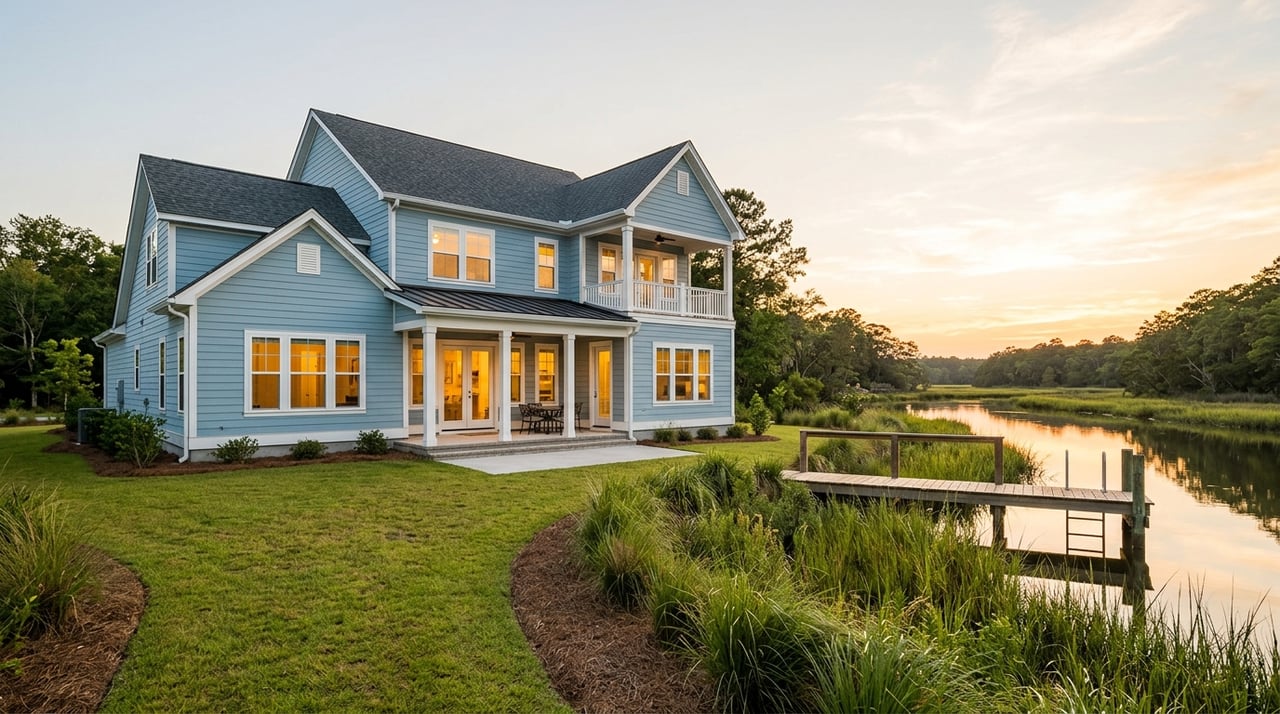
The Ford Plantation sits in Bryan County near Richmond Hill. It is a gated, master-planned community with larger lots, conservation areas, and private amenities like golf, trails, and equestrian. Waterfront homes often line tidal creeks and marsh edges in a low-density setting with architectural controls.
Isle of Hope is a historic residential neighborhood in Chatham County within the Savannah area. You will find older homes, smaller lots, and many long-standing private docks along tidal creeks and the Wilmington and Moon River system. The location is closer to downtown Savannah and established marine services.
Both areas are coastal low-country environments with tidal systems. Your boating plan should account for tides, shoaling, and seasonal weather.
Dock options and types
Ford Plantation docks
- Newer private docks serving single-family estate lots are common.
- Larger lot sizes often allow more substantial dock structures, lifts, and bulkheads, subject to HOA review and state and federal permits.
- Expect architectural guidelines that can govern dock materials, appearance, and placement.
Isle of Hope docks
- Many private docks already exist, with a wide range of ages and conditions.
- Tighter lot setbacks and any historic-area overlays may influence dock size and appearance.
- Maintenance and replacement planning is a common buyer consideration.
Marinas and services access
Ford Plantation access
- The community sits in a rural coastal setting. Full-service marinas with haul-out, fuel, and repairs are typically outside the gates.
- Owners often use nearby commercial marinas or private slips for larger vessels and professional services.
- Community guest or shared docks may exist. Confirm current availability and policies with the HOA.
Isle of Hope access
- You are closer to established marinas, boatyards, and downtown Savannah services.
- Many residents keep boats at private docks or lease nearby slips for easy access to fuel, haul-out, storage, and mechanics.
- This convenience can reduce service logistics and time away from the water.
Getting to open water
Both locations connect to tidal creeks and rivers that feed into larger waterways. You will plan around tides, drafts, and seasonal sediment movement.
- From Isle of Hope, runs to the Wilmington River and Savannah approaches are typically shorter. Day trips to nearby estuaries and Intracoastal routes are straightforward.
- From The Ford Plantation, runs to larger rivers and harbor approaches can be longer depending on your exact lot and route.
For either area, review NOAA charts and local tide tables, check for fixed-bridge air clearances, and ask about any shoaling on your most likely routes.
HOA rules and permits
Oversight and covenants
- The Ford Plantation uses a master-planned HOA framework. Expect design review for docks, setbacks from marsh buffers, and limits on visible boat storage or commercial uses.
- Isle of Hope properties are not governed by a single HOA. Many parcels are privately held, and any historic overlays can set appearance standards.
Permitting and environmental review
- In Georgia, dock construction and dredging generally require permits from the Department of Natural Resources Coastal Resources Division and often the U.S. Army Corps of Engineers.
- County planning offices manage local codes and setbacks. Use Bryan County and Richmond Hill for Ford Plantation, and Chatham County and Savannah for Isle of Hope.
- Wetland protections and floodplain rules apply in both areas. Some projects face more stringent review due to location and scope.
Costs and timing
Permitting timelines can span weeks to months. Costs vary by project complexity. Dredging is tightly regulated and can be expensive. Build HOA approvals into your schedule if you plan dock construction or modifications at The Ford Plantation. On Isle of Hope, plan for evaluations of existing structures and any needed repairs.
Lifestyle and culture
Ford Plantation lifestyle
The environment favors privacy, nature, and amenity-rich living. Boating often centers on private family use, exploring marsh creeks, and connecting with neighbors inside the gates. Larger lots and controlled development keep the setting quiet and low-density.
Isle of Hope lifestyle
You are part of an established waterfront neighborhood with quick access to city marinas and downtown Savannah. Short outings to estuaries, inshore fishing, and social boating are common. Urban amenities, restaurants, and cultural options are closer at hand.
Commute and logistics
Driving considerations
- The Ford Plantation is farther south of downtown Savannah. Expect longer drives to downtown employers, hospitals, and some marinas. You will have easier access to US 17 and I 95 for regional travel.
- Isle of Hope offers shorter drives to downtown Savannah and its services. This can matter if you split time between work, errands, and the boat.
Boat service and transport
- At The Ford Plantation, if your vessel needs haul-out or extensive work, plan for overland transport or longer runs to service yards. Keeping a boat at your private dock reduces transport needs.
- On Isle of Hope, proximity to boatyards and marine providers can make haul-out, storage, and repairs simpler and often more cost predictable.
Hurricane planning
Both locations require a clear storm plan. Consider evacuation routes, haul-out options or protected slips, and your insurance strategy for wind and flood. Ask local marinas about hurricane policies and slip agreements.
Buyer checklist for boaters
Use this list during tours and due diligence.
- Water access and navigation
- Mean depths at the dock and along your route at high and low tide.
- Any fixed bridges or shallow bars, plus minimum safe draft for your boat.
- Dock and moorage specifics
- Existing dock permits and as built drawings.
- Ownership and maintenance responsibilities for the dock, bulkhead, and pilings.
- Condition of pilings and decking, lift capacity, and available power and water.
- Permitting and HOA
- Current HOA covenants and any meeting notes related to docks and boats.
- Permit history for construction or dredging, and any open code issues.
- Services and marinas
- Nearest full service marina and haul out capacity.
- Availability of fuel, pump out, mechanics, and winter storage.
- Slip waitlists, fees, and policies if you plan to lease a slip.
- Flood, insurance, and costs
- FEMA flood zone designation and base flood elevation for the property.
- Typical flood and wind insurance quotes for similar homes.
- Any dredging history, anticipated maintenance, and who pays.
- Local rules and conditions
- No wake zones, seasonal restrictions, or special speed areas.
- Recent shoaling reports and whether channels or docks have needed repeat dredging.
- Lifestyle fit
- Quick access to urban marinas and downtown errands, or a private, amenity focused plantation setting.
- Preference for neighborhood social boating or quieter on property recreation.
Which one fits you?
- Choose The Ford Plantation if you value privacy, larger waterfront lots, and amenity driven living with an HOA framework. You will likely rely on nearby marinas for major services, and you should plan for HOA approvals and permitting when adding or modifying docks.
- Choose Isle of Hope if you want quicker access to downtown Savannah, shorter runs to marinas and services, and an established waterfront neighborhood. Expect more variability in dock condition and lot size, and plan for any historic area considerations.
Next steps
If you are comparing specific homes, gather the HOA covenants, dock permits, flood information, and any dredging records early. Drive your likely commute at peak times, and speak with nearby marina operators about travel routes, depths, and service availability. When you are ready to refine your shortlist or want a property specific boating assessment, reach out to schedule a conversation with Courtney Heidik.
FAQs
What should boaters know about Ford Plantation HOA rules?
- Expect architectural review for docks, potential limits on visible boat storage, and standards for materials and setbacks. Always verify current covenants before making an offer.
How does marina access differ in Isle of Hope?
- You are closer to established marinas, boatyards, and downtown services, which can simplify fueling, haul out, storage, and mechanical work.
Do both areas require dock permits and approvals?
- Yes. Georgia’s Coastal Resources Division and often the U.S. Army Corps of Engineers review dock work, with county level rules also in play. The Ford Plantation adds HOA approvals.
Are boating routes to open water similar in both places?
- No. Isle of Hope typically offers shorter runs to the Wilmington River and Intracoastal routes, while The Ford Plantation often involves longer runs depending on the lot and creek network.
Who pays for dredging near a private dock?
- Responsibility varies. It can fall to a private owner, HOA, or marina operator. Confirm obligations in permits, covenants, and recorded easements.
How should I plan for storms and insurance?
- Create a hurricane plan that covers boat haul out or protected moorage, evacuation routes, and insurance for wind and flood based on FEMA flood zones and your property’s elevation.