Shopping homes on Dutch Island can feel exciting and a little intense. Inventory is tight, the best listings move quickly, and waterfront details matter. If you want a smooth path to the right house, you need clear market context, HOA expectations, and a focused due diligence plan. This guide gives you the key watchpoints so you can act with confidence when the right home appears. Let’s dive in.
Dutch Island at a glance
Dutch Island is a gated, amenity-forward coastal community in Chatham County with around 400 to 500 homes. You will find a guarded entrance, an active HOA and Architectural Review Committee, and lifestyle amenities like a community dock and boat ramp, pool, tennis courts, and playgrounds. Community rules cover exterior changes and shared space use, so plan to request HOA documents early in your process. You can explore current HOA resources and payments directly on the community site, including the published 2026 annual dues of $1,711 listed on the HOA’s dues page.
How the Dutch Island market behaves
Dutch Island is a small, sought-after enclave, and that makes market data noisy. Public portals often show only a few active listings at a time, and even one waterfront sale can shift neighborhood medians. Realtor.com notes that Dutch Island metrics are limited and suggests using broader Chatham County data as context for trend reading. You can see that caution on the Dutch Island market page.
Homes on the island vary widely by location, size, and water access, which is why you may see both high six-figure and low seven-figure sales. Neighborhood profiles show larger-than-average homes and lots compared to the county, reinforcing why parcel-level comps matter more than a single median. To get a feel for this range, review neighborhood summaries like Homes.com’s Dutch Island guide.
What this means for you:
- Expect limited, fast-moving inventory. Well-positioned homes can draw multiple offers.
- Do not rely on one portal’s median. Ask your agent for a 12 to 24 month MLS sold-comp pack for the specific street and phase.
- Validate pricing with recent closed sales and the listing agent’s sold history before you write.
What to verify before you write
HOA dues, ARC approval, and rules
The HOA publishes dues, rules, and ARC guidelines. The current site lists 2026 dues at $1,711 per home on the annual dues page. Because exterior changes require ARC review, you should obtain the ARC design guidelines early and budget time for approvals. If you plan a fence, dock work, tree removal, paint changes, or additions, assume pre-approval is required.
Also note gate and visitor management. Dutch Island uses controlled access with strict decal and pass requirements, and showings typically need agent accompaniment or owner-arranged entry. Read the community’s access control rules so you can plan tours without delays.
Flood exposure, elevation, and insurance
Most of Dutch Island sits in a coastal flood exposure area. Premiums depend on your property’s exact flood zone, construction date, and elevation. To avoid surprises, pull the FEMA panel for the address and request an Elevation Certificate or survey during your contingency period. You can start with FEMA’s Map Service Center and then get early quotes from both NFIP and private carriers through your insurance advisor.
Buyer tip:
- Ask if the home is pre- or post-FIRM, request any existing Elevation Certificate, and confirm whether the seller’s policy is assumable if applicable.
Dock rights, shoreline, and permits
Dutch Island has a community dock and ramp with defined operational rules. Members must register boats and display decals. Overnight docking is limited by season. High Season is Apr 1 to Sep 30 with a maximum of 3 nights, and Low Season is Oct 1 to Mar 31 with up to 7 nights. Violations can result in towing at owner expense. Review the community dock rules if boat access is part of your plan.
If a home’s value depends on private or shared dock access, confirm documentation in writing. In coastal Georgia, docks and shoreline improvements can involve state and federal permitting. Ask for any existing revocable license to use state waterbottoms and bulkhead or seawall repair records. For permitting context, see the Georgia Coastal Resources Division’s guidance included in this state document index. Deep-water slip opportunities are limited on the island, so verify expectations carefully.
Sewer vs. septic at the parcel level
Listings and local reporting show mixed notes on service history, with much of the island reported to have tied into City of Savannah sewer in the past and some parcels still noted with septic. Confirm current service status for the specific address through county or utility records, and request recent inspection or maintenance documentation. For regional context on wastewater planning and flood-related infrastructure, see this local report on county sewer solutions.
Marsh buffers and setbacks
Coastal parcels can be subject to vegetated buffer requirements that affect clearing, setbacks, and dock placement. Before you plan exterior changes, check for recorded buffers, conservation easements, or special setbacks on title. The local planning framework reflects a 35-foot vegetated buffer in coastal zones, as outlined in this Chatham County planning staff report.
Home styles and lot patterns
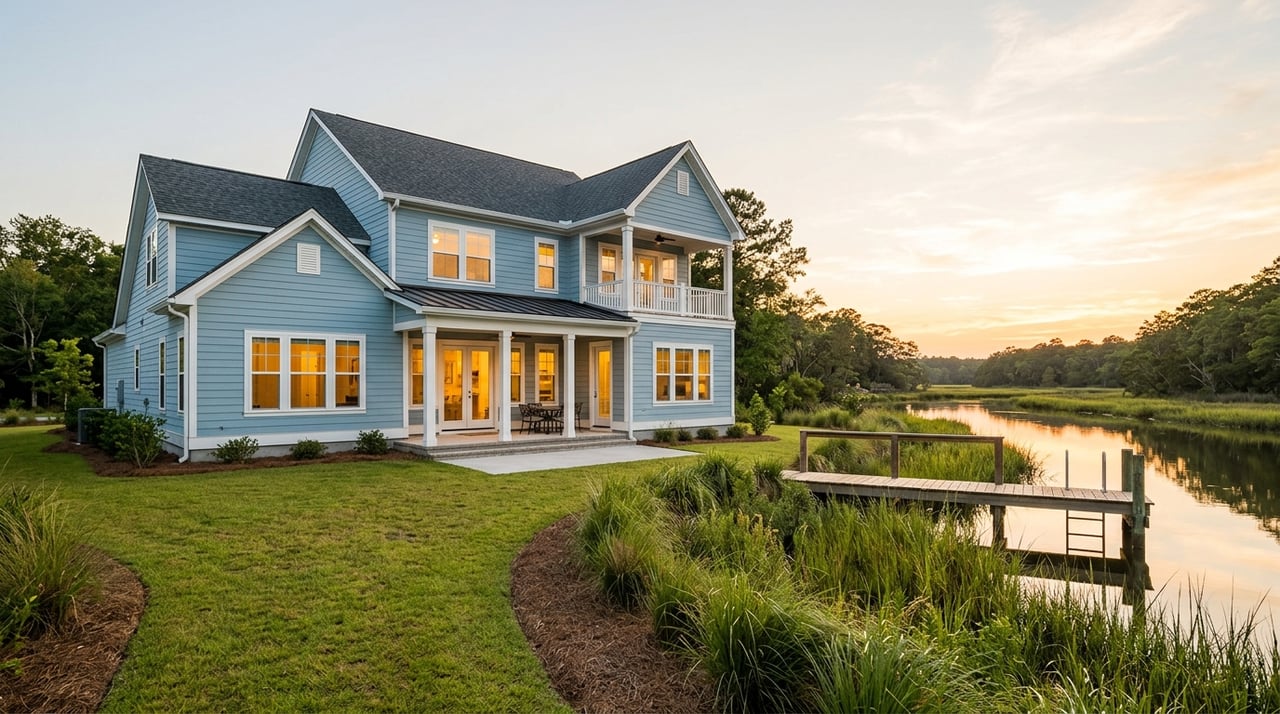
Dutch Island includes Lowcountry and marsh-side designs, brick ranches, and elevated homes, with construction phases spanning late 20th century into the early 2000s. Lot sizes often hover around a half acre, and many homes exceed the national average in square footage. You will find marshfront and lagoon lots, while true deep-water access is more limited. For a high-level snapshot of styles and lot sizes, review Homes.com’s neighborhood overview, then use parcel-level comps to refine your search.
Buyer tip:
- Pay attention to foundation type. Raised vs. slab construction can affect flood resilience, inspection focus, and insurance conversations.
Timing your search
Savannah-area seasonality generally brings more listings and buyer activity from late winter into spring, with some tapering in late summer and late fall. On-island life also concentrates activity in spring and summer when pools and boating are in full swing. If you prefer less competition, consider touring in off-peak months, then be ready to move quickly when a fit appears.
Operational note for boaters: the dock’s High Season runs Apr through Sep with the shorter overnight window. If dock convenience is a must, ask early about current usage, any informal priorities, and how enforcement has worked in recent years.
Your Dutch Island buyer checklist
Use this list to keep your offer clean and your risk low:
Pricing and comps
- Request a 12 to 24 month MLS closed-sales report for your target street or phase.
- Validate any portal data against recent closed comps and a quick call with the listing agent.
HOA and ARC
- Ask for the HOA resale packet: covenants, bylaws, rules, recent minutes, current budget, reserve study, insurance certificates, and any pending assessments or litigation.
- Review the ARC guidelines and confirm approval status for any recent exterior changes.
Access, docks, and shoreline
- Read gate and access rules and pre-plan showings with your agent to avoid delays.
- Confirm dock ownership or assignment in writing, plus any state licenses for private pier use.
- Request shoreline and bulkhead repair records and consider a marine inspection for waterfront lots.
Flood, elevation, and insurance
- Pull FEMA panels for the property and request an Elevation Certificate or survey.
- Get preliminary flood and wind quotes from both NFIP and private carriers.
Sewer vs. septic
- Verify connection status with county or utility sources and request recent inspection or pump records.
Inspections and contingencies
- Order a standard home inspection and add specialized items as needed: foundation and elevation review, seawall or bulkhead inspection, and septic inspection where applicable.
- Include a right-to-review HOA documents with an option to cancel if assessments or restrictions are unacceptable.
How a local advisor helps
Because Dutch Island is small and competitive, the right strategy saves time and protects your budget. A local, dual-licensed coastal specialist can assemble address-level comps, coordinate gated showings, and source elevation, dock, and shoreline records before you commit. With clear information, you can act fast on a great home and avoid expensive surprises after closing.
If you are weighing Dutch Island against other Savannah or Lowcountry communities, or you need help mapping flood, dock, and HOA variables to your budget, connect with Courtney Heidik to build a confident plan.
FAQs
Do Dutch Island homes require flood insurance for mortgages?
- If the home sits in a FEMA Special Flood Hazard Area, most lenders will require flood insurance. Even outside those zones, you should price coverage based on elevation and structure details.
How competitive is Dutch Island real estate for buyers?
- Inventory is limited and medians are volatile. Plan for fast decisions on well-priced homes and rely on 12 to 24 month street-level comps rather than one neighborhood median.
What are the Dutch Island HOA dues and what do they cover?
- The HOA lists 2026 annual dues at $1,711 per home. The HOA manages amenities, gate access, community rules, and ARC approvals for exterior work.
Are docks guaranteed with a waterfront lot on Dutch Island?
- No. The community has shared facilities plus private and shared dock scenarios. Always confirm ownership or assignment, seasonal rules, and any state licenses in writing.
Is Dutch Island on public sewer or septic?
- Much of the island has been reported as tied into City of Savannah sewer historically, but parcel status varies. Verify service for the specific address and request recent inspection or connection records.