You are excited about a Lowcountry home and ready to write an offer, but one form can make or break your timeline: the CL-100. If you have heard it called a wood infestation or WDO report, you are in the right place. Understanding what this report covers, when to order it, and how to use the results will help you move from contract to closing with confidence. Let’s dive in.
CL-100 basics for South Carolina buyers
What the CL-100 covers
A CL-100 is South Carolina’s wood infestation report. It documents visible evidence of wood-destroying organisms, prior damage, and conditions that could lead to infestation. It is a condition-focused inspection that helps you and your lender assess risk from termites, carpenter ants, certain beetles, and wood decay.
Only licensed pest control operators issue the CL-100 in South Carolina. The report reflects the inspector’s professional opinion based on what is visible and accessible at the time of inspection. It may include recommendations for treatment, repairs, monitoring, or further invasive evaluation if needed.
What is inside the report
A complete CL-100 typically includes the inspector and company details, the license number, areas inspected, and any areas that were not accessible. It states whether there is evidence of active infestation, prior damage, or moisture conditions that encourage WDOs. You should also see recommended corrective actions and the date and signature. Some reports include a “no evidence” or “clearance” conclusion when appropriate.
CL-100 vs. a general home inspection
Scope differences
A CL-100 focuses on wood-destroying organisms, wood decay, and moisture conditions that support them. Inspectors visually check accessible structural wood, crawlspaces, attics, decks, exterior grading, and wood-to-soil contact points. They do not open finished walls and do not evaluate systems like plumbing, electrical, HVAC, or roofing unless those conditions relate to moisture or wood damage.
A general home inspection looks at the broader home systems. It is also non-invasive, and the inspector may note signs of pests. But a general inspector does not issue a formal CL-100, and most lenders and insurers will not accept a home inspection in place of a WDO report.
Why you often need both
Your home inspector may flag red flags such as high crawlspace moisture or wood rot. The CL-100 then provides a targeted, industry-standard document issued by a licensed pest control operator. Buyers, lenders, and insurers often rely on the CL-100 to set treatment and documentation requirements for closing.
Bluffton and Lowcountry risk factors
Climate and construction details
Bluffton’s coastal Lowcountry climate is warm, humid, and rainy, with high groundwater in some areas. These conditions favor subterranean termites and wood rot. Homes with crawlspaces, poor ventilation, or frequent moisture issues are more vulnerable.
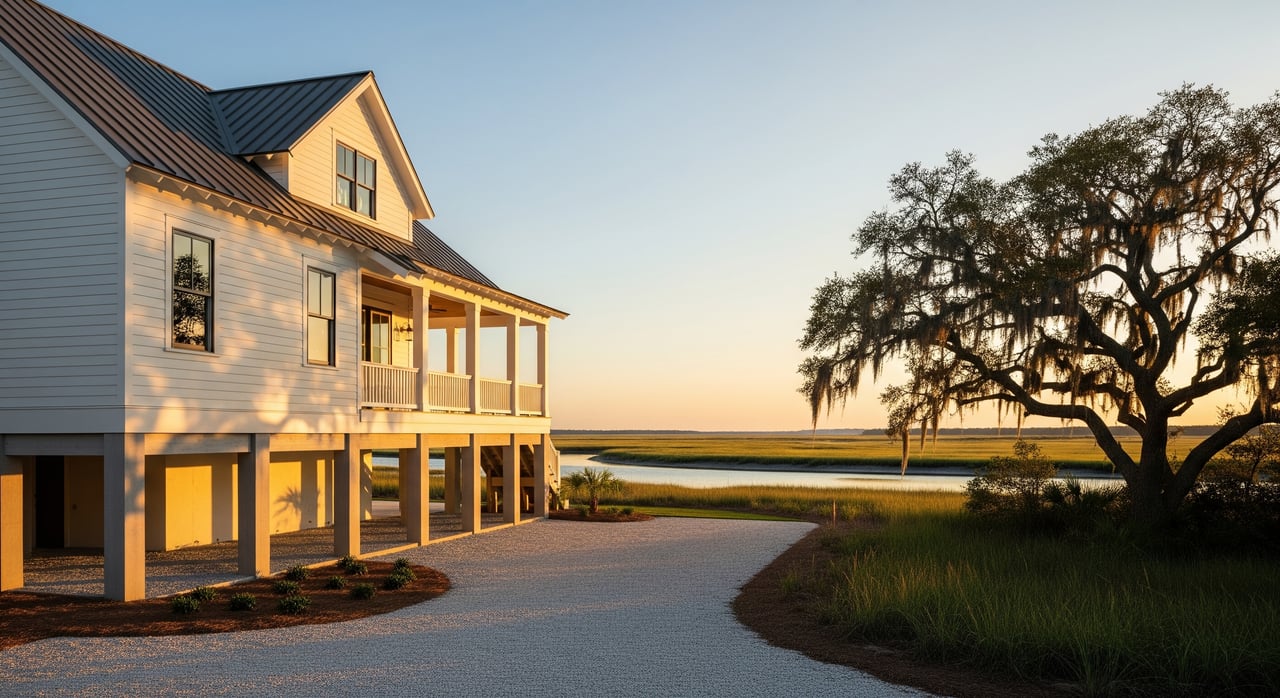
Common risk points include wood-to-soil contact around foundations, landscaping or mulch touching siding, and irrigation overspray. Raised homes on pilings, porches, decks, boat docks, and shoreline structures that use wood can also be at higher risk if not properly protected and maintained. Salt air itself does not attract termites, but moisture control is critical.
Likely WDOs and seasonal clues
Eastern subterranean termites are the primary concern in South Carolina. You may also encounter carpenter ants, powderpost beetles, and in some areas, drywood or invasive termite species. Swarms often occur in spring across the Southeast, but subterranean colonies can be active year-round. Visible swarming is seasonal, while underlying activity can continue in any month.
Common findings in Bluffton homes
Local CL-100 reports often document active termite activity in crawlspaces or where untreated wood contacts soil. Inspectors may also note prior treatments without fully addressing moisture or grading problems that continue to invite pests. Typical repairs may include moisture mitigation in the crawlspace, replacement of damaged sill plates or joists, and regrading or pest control treatments.
When to order the CL-100
Timing within your contingency window
Order the CL-100 during your inspection contingency period, ideally alongside or immediately after the general home inspection. Make sure your purchase contract includes a clause that allows a WDO inspection and gives you time to review the results and negotiate.
If your inspection window is 7 to 14 days, plan for both inspections and time to collect treatment or repair bids if needed. Building in a cushion protects your closing timeline.
Scheduling and access
Scheduling depends on local demand and season. Expect anywhere from 24 to 72 hours up to a week. The inspector will need access to crawlspaces, attics, the exterior perimeter, decks, and sometimes interior closets or garages. Make sure access points are clear so the inspection is complete on the first visit.
If areas are inaccessible, the report will note them. If the inspector suspects activity behind finishes or in sealed cavities, they may recommend invasive evaluation. That can affect your schedule and negotiations.
Paperwork to request
Ask for the full CL-100 with the inspector’s license number, clear findings, and recommended next steps. If the seller has treatment receipts or warranty documents from prior work, request copies. Some companies offer warranties or service contracts after treatment. Confirm whether these can transfer to you and how renewals work.
Timeline, costs, and closing impacts
How the CL-100 affects your schedule
Most buyers can complete the CL-100 within the inspection period if they schedule promptly. If the report finds no evidence of active infestation and no significant damage, you can move forward with confidence and share the documentation with your lender and insurer if requested.
If there is active infestation or structural wood damage, plan for treatment and possible repairs. Pest treatment can often be scheduled within days, but contractor repairs can take longer. Build realistic time for estimates and work when you negotiate.
If the report finds problems
You have options. The seller can treat and repair before closing, provide a credit at closing, or agree to an escrow holdback so work can be completed after you take possession. In some cases, buyers arrange treatment themselves and negotiate a price adjustment or credit. If findings are unacceptable and you cannot reach agreement, you may be able to cancel under your inspection contingency.
On tight timelines
Quick closings and short inspection windows require early coordination. Order the CL-100 immediately, request rush availability, and line up treatment bids in parallel if your inspector flags issues. Confirm with your lender and insurer what documentation they require so you can provide it without delay.
Negotiation and financing considerations
Common negotiation paths
- Seller pays for treatment and repairs before closing.
- Seller provides a credit for the estimated cost of treatment and repairs.
- Buyer completes treatment or repairs and negotiates a price reduction or credit.
- Escrow holdback is set up to ensure agreed work is completed after closing.
- Buyer cancels under the inspection contingency if the scope is not acceptable.
Lender and insurer requirements
Some lenders or loan programs require a wood infestation report for homes in certain regions or for specific loan types. Homeowners insurance companies may also require treatment or documentation of active infestations before coverage is issued. Ask early what your lender and insurer need, and confirm what they accept as clearance or proof of treatment.
Buyer checklist for Bluffton
- Include a WDO or CL-100 clause in your inspection contingency with a realistic deadline.
- Hire a licensed South Carolina pest control operator and request the license number on the report.
- Ensure clear access to crawlspaces, attics, exteriors, decks, and basements on inspection day.
- Ask for a written CL-100 with findings and recommendations, plus any seller-provided treatment history or warranties.
- If activity or damage is found, obtain bids for both treatment and any structural repairs.
- Coordinate a negotiation strategy with your agent: seller-paid work, credit, escrow holdback, or buyer-remedied.
- Confirm that treatment and repair documents satisfy lender and insurer requirements before closing.
- Keep copies of the CL-100, treatment receipts, and warranties in your closing file.
Avoid these common mistakes
- Skipping the CL-100 because your home inspector saw no pests. Lenders and insurers often require a formal WDO report.
- Waiting too long to schedule. Demand can stretch scheduling by several days.
- Failing to verify licensing. Only licensed pest control operators issue the CL-100 in South Carolina.
- Not providing access to key areas. Inaccessible spaces limit findings and can delay closing.
- Ignoring moisture issues. Wood-to-soil contact, clogged gutters, and crawlspace humidity can support ongoing activity even after treatment.
After closing: prevention and records
Keep your CL-100, treatment receipts, and any warranties in a safe place. If a warranty is transferable or renewable, note the renewal schedule. Continue to manage moisture by keeping gutters clear, avoiding mulch against the foundation, and maintaining proper ventilation in crawlspaces. For waterfront or raised structures, monitor wood connections and maintain protective treatments as recommended by your pest control professional.
A clear plan for WDO monitoring helps protect your investment in Bluffton’s warm, humid climate.
If you want a smooth, low-risk path from offer to closing, expert coordination matters. For personalized guidance on timelines, negotiations, and local resources, connect with Courtney Heidik. Schedule a Consultation.
FAQs
What is a CL-100 in South Carolina real estate?
- It is a licensed pest control operator’s wood infestation report that documents visible evidence of wood-destroying organisms, prior damage, and conducive conditions, along with recommendations.
How is a CL-100 different from a home inspection?
- A CL-100 focuses on WDOs and moisture-related wood issues, while a general home inspection assesses many home systems but does not issue a formal WDO report.
When should Bluffton buyers order the CL-100?
- Order it during your inspection contingency, ideally alongside or right after the general home inspection, to leave time for any bids and negotiations.
What areas are checked during a CL-100?
- Inspectors examine accessible structural wood, crawlspaces, attics, decks, exterior grading, and wood-to-soil contact points, and they note any inaccessible areas.
What if the CL-100 finds termites or damage?
- You can negotiate seller-paid treatment and repairs, request a credit, set up an escrow holdback, or cancel under the inspection contingency if allowed by your contract.
Do lenders or insurers require a CL-100 in Bluffton?
- Some lenders and insurance companies do require a WDO report or proof of treatment; confirm specific documentation needs early with both parties.